Table of Contents
ToggleThe Whirlpool WDT730HAMZ remains one of the most popular mid-range dishwashers on the market, and for good reason. This top-control model packs serious cleaning power into a quieter-than-average package, making it a solid pick for open-concept kitchens where noise matters. If you’re considering this unit, or already own one and want to get the most out of it, you’re in the right place. This guide walks through everything from specs and performance to installation quirks and common hiccups. Whether you’re a DIYer looking to install it yourself or just want to know how to keep it running smoothly, we’ll cover the practical stuff that actually matters.
Key Takeaways
- The Whirlpool WDT730HAMZ operates at 51 dBA, offering quiet performance suitable for open-concept kitchens with minimal noise disruption during daily use.
- Its innovative 3rd rack design for flatware and utensils maximizes lower-rack space for larger dishes while improving cleaning efficiency.
- DIY installation is manageable with basic plumbing and electrical skills, requiring a 24-inch opening and 120V circuit, though hiring professionals typically costs $100–$200.
- Monthly maintenance—cleaning the filter, wiping the door gasket, and running cleaning cycles—extends the WDT730HAMZ lifespan and prevents common issues like poor drainage and leaks.
- The WDT730HAMZ delivers solid mid-range value at $500–$700, making it ideal for homeowners prioritizing practicality and durability over premium features like smart connectivity or ultra-quiet operation.
Key Features and Specifications of the WDT730HAMZ
The WDT730HAMZ is a 24-inch built-in dishwasher with top-mounted controls, which keeps the front panel clean and kid-proof. It operates at 51 dBA, making it quieter than many budget models but not quite whisper-level. For context, anything under 50 dBA is considered very quiet: 51 dBA is a low hum you’ll barely notice during dinner conversation.
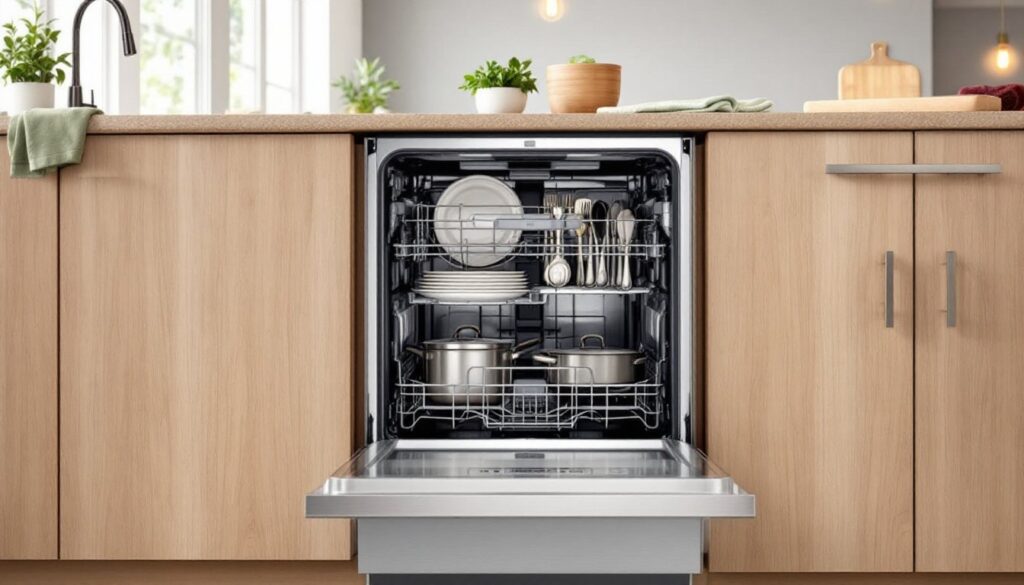
One standout feature is the 3rd rack, a shallow upper rack designed for flatware, utensils, and small items like measuring spoons. This frees up space in the bottom rack for larger dishes and pots. The rack layout includes adjustable tines in the lower rack and a fold-down shelf in the middle rack for mugs or bowls.
The unit offers six wash cycles: Sensor, Heavy, Normal, Quick, Soak & Clean, and Rinse Only. There’s also a Sani Rinse option that boosts water temperature during the final rinse to meet NSF/ANSI Standard 184 for sanitization, which is handy if you’re dealing with baby bottles or cutting boards.
It uses a soil sensor to adjust cycle time and water usage based on how dirty the dishes are, which can save water and energy over time. Energy use is rated at 270 kWh/year, putting it in the middle of the pack for efficiency. Water consumption is around 3.5 gallons per cycle on Normal, which is competitive.
The interior is stainless steel, which resists staining and holds heat better than plastic tubs. Heating element is exposed at the bottom, so avoid placing delicate plastics directly above it.
Performance and Cleaning Power
In real-world use, the WDT730HAMZ handles everyday loads well. The Sensor cycle is the go-to for mixed loads, it takes about 2.5 to 3 hours and adjusts based on soil level. The Heavy cycle adds time and heat, running closer to 3.5 hours, and it’s necessary for baked-on casserole dishes or dried pasta.
The 3rd rack is a game-changer for silverware. Instead of cramming forks and spoons into a basket that takes up lower-rack real estate, you lay them flat up top. This also improves cleaning since water hits both sides. Just note: the rack is shallow, so large serving spoons or spatulas might not fit.
The spray arms do a solid job of coverage, but corner placement matters. If you load oversized pans that block the upper spray arm, you’ll get spotting on top-rack items. Leave a little breathing room between items, especially tall glasses or bowls.
Drying performance is decent but not stellar. The unit uses a heated dry cycle, which works better than passive condensation drying but doesn’t quite match dedicated fan-assisted systems. Plastics on the top rack may still be damp at the end of a cycle. Cracking the door open for 10 minutes post-cycle helps.
Noise-wise, 51 dBA is noticeable during the wash phase but fades into the background. If you’re used to older dishwashers that sound like a jet engine, this will feel like a major upgrade. Similar models like the Whirlpool top control 51 dBA quiet dishwasher with 3rd rack variants share this noise profile, making them a good fit for homes where kitchen and living spaces share an open floor plan. Many appliance reviews highlight noise levels as a key factor for open-concept kitchens, and this unit hits a sweet spot.
Installation and Setup Tips for DIY Enthusiasts
Installing the WDT730HAMZ is a manageable DIY project if you’re comfortable with basic plumbing and electrical work. That said, dishwashers are heavy (around 75 lbs), so line up a helper for lifting and positioning.
Before you start, confirm your rough-in dimensions. The unit needs a 24-inch-wide opening, with 24 inches of depth and 34 to 35 inches of height (adjustable legs give you about 1.5 inches of wiggle room). Most standard cabinets accommodate this, but double-check if you’re replacing an older or non-standard model.
Electrical connection is straightforward. The WDT730HAMZ requires a 120V, 15-amp circuit. Most installations use a junction box under the sink or in an adjacent cabinet. If you’re hardwiring (not using a plug), make sure the power is off at the breaker. You’ll connect three wires: hot (black), neutral (white), and ground (green or bare copper). Use wire nuts rated for the gauge, and secure the strain relief fitting to prevent cable pullout. If your jurisdiction requires a permit for electrical work, get one, most local codes treat dishwasher circuits as minor alterations, but rules vary.
Plumbing hookup involves a 3/8-inch compression fitting for the water supply (usually a braided stainless line) and a drain hose that connects to your sink’s drain or garbage disposal. If you have a disposal, knock out the plastic plug inside the dishwasher nipple before connecting the hose, forgetting this step is a common rookie mistake that leaves you with standing water.
Install an air gap if required by local code (check your municipality). An air gap prevents backflow from the sink into the dishwasher. If your area doesn’t require one, you can use a high loop instead: route the drain hose up to the underside of the countertop before it drops to the disposal.
Once connections are made, level the unit using the adjustable front legs. An unlevel dishwasher won’t drain properly and may leak. Use a torpedo level across the top edge, front to back and side to side. Secure the unit to the countertop with the included mounting brackets (usually two screws through tabs at the top corners).
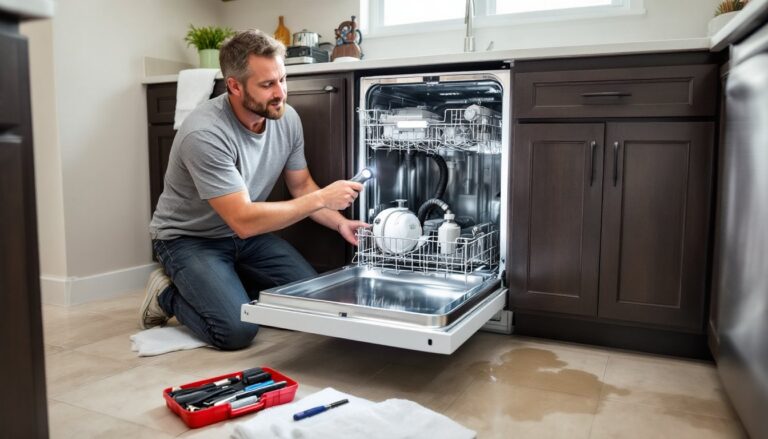
Run a test cycle with no dishes to check for leaks. Inspect connections at the water supply, drain hose, and junction box. If you spot moisture, tighten fittings or reseat the hose clamps.
If you’re uncomfortable with electrical or plumbing work, hiring a licensed plumber or electrician is a smart move. Installation typically runs $100 to $200, depending on your area and any needed modifications.
Common Issues and Troubleshooting Solutions
Even reliable machines throw curveballs. Here are the most frequent issues with the WDT730HAMZ and how to fix them.
1. Dishes not cleaning properly
First, check the spray arms. Remove the lower and middle spray arms (they twist or snap off) and rinse out any food debris clogging the holes. Hard water deposits can also block jets, soak arms in white vinegar for 20 minutes if needed. Make sure the spray arms spin freely when you reinstall them.
Next, inspect the filter assembly at the bottom of the tub. The WDT730HAMZ uses a cylindrical filter that twists out. Rinse it under running water and scrub with a soft brush. A clogged filter is the #1 cause of poor cleaning.
Also, verify you’re using the right detergent amount. Too much creates excess suds that coat dishes: too little leaves residue. Start with the manufacturer’s recommendation (usually one tablespoon of powder or one pod per load) and adjust based on water hardness.
2. Won’t start or no lights on control panel
Check the door latch. The unit won’t start unless the door is fully closed and latched. Listen for a click when you close it. If the latch is damaged or misaligned, it may need adjustment or replacement.
Confirm power is reaching the unit. Test the outlet or junction box with a multimeter (you should see ~120V). If there’s no power, check the breaker and any GFCI outlets in the circuit.
If the control panel is lit but the unit won’t start, you may have a stuck button or a failed control board. Try a hard reset: turn off the breaker for 5 minutes, then turn it back on. This can clear minor glitches.
3. Leaking water
Most leaks come from the door gasket. Inspect the rubber seal around the door for cracks, warping, or food buildup. Wipe it down with a damp cloth: if it’s damaged, replacement gaskets are available for around $30 and snap into place without tools.
Check the float switch in the bottom of the tub. If it’s stuck in the up position, the unit thinks it’s full and may overflow. Press it down a few times to free it.
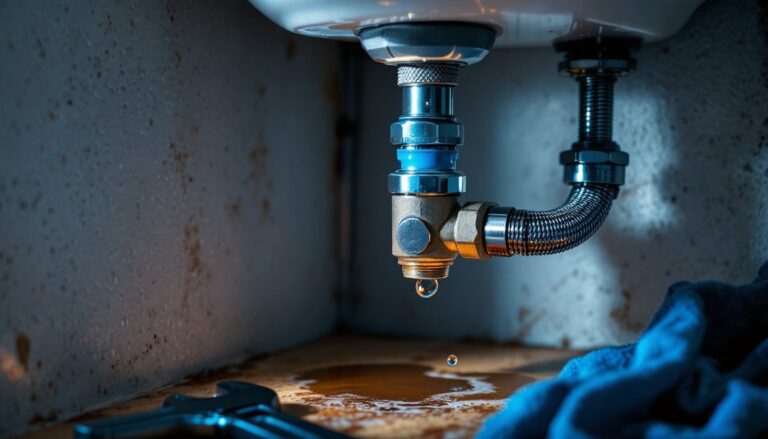
Also examine the drain hose and water supply line under the sink for loose connections or cracks. Tighten hose clamps or replace worn hoses.
4. Not draining
A common culprit is a clogged drain hose or air gap. Disconnect the drain hose from the disposal or sink drain and blow through it to check for blockages. If you have an air gap, unscrew the cap and clear any debris inside.
Check the garbage disposal knockout plug (as mentioned earlier). If it wasn’t removed during installation, the dishwasher can’t drain.
Inspect the drain pump for obstructions. Access it by removing the lower spray arm and filter. You may find broken glass, twist ties, or small utensils jamming the impeller. Testing for smart home solutions that monitor appliances can also help catch issues early.
5. Error codes
The WDT730HAMZ doesn’t have a digital display, but it does flash lights to indicate faults. A flashing Start light usually means a door latch issue or stuck button. A flashing Clean light after a cycle often indicates a problem with the heating element or thermistor. Consult the user manual for specific flash patterns, or search Whirlpool’s support site using your model number.
Maintenance Best Practices to Extend Lifespan
A little preventive care goes a long way. Here’s how to keep the WDT730HAMZ running for a decade or more.
Monthly tasks:
- Clean the filter. Remove and rinse it under hot water. Scrub with a soft brush if you see buildup.
- Wipe down the door gasket. Food and grease accumulate here and can cause leaks or odors.
- Run a cleaning cycle. Use a dishwasher cleaner tablet (like Affresh or a store brand) or place a cup of white vinegar on the top rack and run a hot cycle. This breaks down grease and mineral deposits.
Every 3-6 months:
- Inspect spray arms. Remove them and check for clogs or damage. Replace if cracked.
- Check the drain pump area. Pull out the filter and look for debris that made it past.
- Clean the air gap (if you have one). Unscrew the cap and rinse out any gunk.
Annually:
- Descale the interior if you have hard water. Run a cycle with a commercial descaler or citric acid (available at hardware stores). Hard water buildup reduces efficiency and can damage the heating element.
- Tighten hose connections under the sink. Vibration can loosen them over time.
- Inspect the power cord or hardwire connection for wear or corrosion.
General tips:
- Scrape dishes, don’t rinse. Modern dishwashers (including this one) rely on soil sensors that need to detect some food to optimize the cycle. Rinsing too thoroughly can confuse the sensor and lead to under-washing.
- Load correctly. Avoid nesting bowls or stacking plates too tightly. Water needs to reach all surfaces.
- Use fresh detergent. Old powder or pods lose effectiveness. Store detergent in a cool, dry place.
- Run hot water at the sink before starting a cycle. This ensures the dishwasher fills with hot water from the start, improving cleaning and reducing cycle time.
Wear and tear parts:
Over the years, you may need to replace the door gasket ($30), spray arms ($15-25 each), or rack wheels ($5-10 per set). These are all easy DIY swaps. The heating element ($50-70) and drain pump ($80-120) are less common failures but also DIY-replaceable if you’re handy.
Many kitchen maintenance guides recommend setting calendar reminders for routine appliance care, which can prevent costly repairs down the line.
Is the WDT730HAMZ Right for Your Kitchen?
The WDT730HAMZ hits a practical middle ground: it’s quiet enough for modern open layouts, versatile enough for varied loads, and priced competitively (typically $500-700, depending on sales and region). It’s not the absolute quietest or most feature-packed model, but it delivers solid value for most households.
You’ll appreciate this dishwasher if:
- You want top controls that keep the front panel sleek and free of smudges.
- The 3rd rack appeals to you for better utensil organization.
- Noise matters but you don’t need ultra-quiet operation (under 45 dBA).
- You’re looking for a mid-tier unit that doesn’t require a premium budget but still offers decent performance and durability.
Consider other options if:
- You need ultra-quiet operation (under 45 dBA). Models like the Bosch 300 series or KitchenAid KDTM354DSS are quieter but pricier.
- You prioritize drying performance for plastics. Fan-assisted or Zeolite drying systems (found in some Bosch and Miele models) do better with stubborn moisture.
- You have very hard water. Some dishwashers include built-in water softeners: the WDT730HAMZ doesn’t, so you’ll need to rely on rinse aid and periodic descaling.
- You want smart features. This model has no Wi-Fi or app connectivity. If remote monitoring or cycle notifications matter, look at Whirlpool’s WDF520PADM or similar smart-enabled units.
Bottom line: For DIYers and homeowners who value practicality over bells and whistles, the WDT730HAMZ is a dependable workhorse. It’s straightforward to install, easy to maintain, and performs well on everyday loads. Just don’t expect miracles with drying plastics or whisper-quiet operation.
Conclusion
The Whirlpool WDT730HAMZ is a solid mid-range dishwasher that balances performance, noise level, and price. Its 3rd rack and top-mounted controls make daily use convenient, and most DIYers can handle installation with basic tools and know-how. Regular maintenance, cleaning the filter, wiping the gasket, and running occasional descaling cycles, will keep it running smoothly for years. If you’re after a no-nonsense appliance that gets dishes clean without drama, this one fits the bill.