Table of Contents
ToggleMost kitchens come wired and plumbed for one, but plenty of homeowners still aren’t sure what sets a built-in dishwasher apart, or whether it’s the right move for their space. Unlike portable or countertop units that sit on wheels or take up valuable counter real estate, a built-in dishwasher slides into a dedicated cabinet opening and integrates permanently with your kitchen layout. It’s the workhorse appliance you see in most modern homes, hidden behind a cabinet door or stainless steel front. If you’re planning a kitchen remodel, replacing an aging machine, or simply wondering what “built-in” actually means, this guide walks through the design, installation requirements, and practical advantages that make these units the default choice for most households.
Key Takeaways
- A built-in dishwasher is a permanent kitchen appliance that slides into a dedicated cabinet opening and connects directly to your home’s water supply, drain, and electrical circuits—unlike portable or countertop models that can be moved.
- Standard built-in dishwashers measure 24 inches wide and hold 12 to 16 place settings, offering significantly larger capacity and more powerful performance than portable or compact alternatives.
- Modern built-in dishwashers operate as quietly as 40 to 44 decibels, use advanced soil sensors and sanitize cycles, and can last 10 to 15 years with proper maintenance.
- Installation requires three key connections—water supply with a shutoff valve, a drain line with proper high-loop configuration, and a dedicated 120-volt electrical circuit—and typically takes 2 to 4 hours for experienced installers.
- A quality built-in dishwasher installation adds resale value to your home, saves counter and floor space, and eliminates the need for hand-washing overflow, making it the default choice for most modern kitchens.
Understanding Built-In Dishwashers: Definition and Design
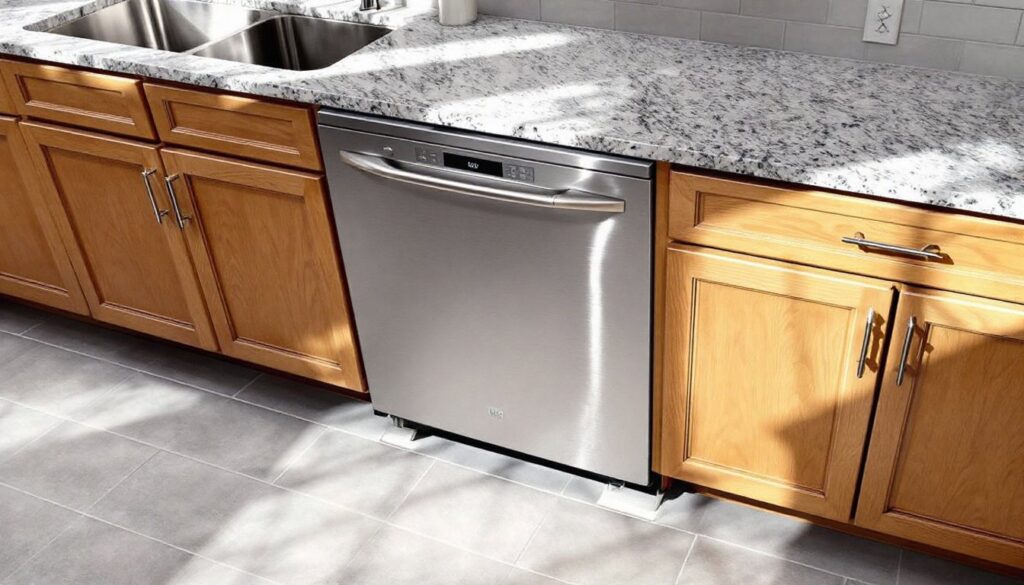
A built-in dishwasher is a full-size appliance designed to be installed permanently under a kitchen counter, typically between base cabinets. Unlike freestanding or portable models, it doesn’t have finished side panels, those edges are meant to be hidden by adjacent cabinetry. The unit connects directly to your home’s water supply line (usually a 3/8-inch compression fitting under the sink), drain line, and a dedicated 120-volt electrical circuit.
Most built-in dishwashers measure 24 inches wide, the industry standard that matches standard base cabinet widths. You’ll also find 18-inch compact models for smaller kitchens or secondary prep areas. The front of the unit is either a stainless steel, black, or white finish panel, or it accepts a custom cabinet panel so the dishwasher blends invisibly with surrounding cabinetry, common in higher-end or European-style kitchens.
The installation is semi-permanent: the dishwasher is secured to the underside of the countertop with mounting brackets and to the sides of the cabinets with screws driven through metal tabs. Once installed, the unit stays put until you’re ready to replace it. That fixed position is what defines “built-in”, it’s part of the kitchen infrastructure, not a movable appliance.
How Built-In Dishwashers Differ from Portable and Countertop Models
Built-in dishwashers occupy a permanent spot in your cabinetry and require plumbing and electrical rough-ins during installation. Portable dishwashers, by contrast, roll on casters and hook up temporarily to a kitchen faucet with a quick-connect adapter. They’re handy for rentals or kitchens without existing dishwasher hookups, but they take up floor space and need to be stored somewhere when not in use.
Countertop dishwashers are even smaller, about the size of a large microwave, and sit on your counter. They also connect to the sink faucet and drain into the sink basin. Capacity is limited, usually 4 to 6 place settings, making them suitable for singles or couples but inadequate for families.
Built-ins offer the largest capacity, typically 12 to 16 place settings, and the most robust wash systems. They’re also quieter, with modern models running as low as 40 to 44 decibels, quieter than a normal conversation. Portable and countertop units tend to be noisier and less efficient because of their smaller motors and lighter construction.
Another key difference: resale value. A quality built-in dishwasher installation can add appeal when selling your home, while portables are seen as temporary solutions. Buyers expect a built-in in a finished kitchen.
Key Advantages of Choosing a Built-In Dishwasher
Capacity is the most obvious benefit. A standard 24-inch built-in holds a full day’s worth of dishes for a family of four, plus pots and pans. That’s 12 to 16 place settings depending on rack configuration. You won’t be hand-washing overflow or running multiple loads daily.
Performance is another win. Built-ins use powerful spray arms, multi-stage filtration, and higher water pressure than portable units. Many models include soil sensors, adjustable racks, and dedicated zones for delicate glassware or heavily soiled cookware. Wash and dry cycles are more thorough, and options like sanitize cycles reach 150°F or higher to kill bacteria, useful if you’re washing cutting boards or baby bottles.
Noise reduction matters more than most people realize until they live with a quiet machine. Modern built-in dishwashers use sound insulation, brushless motors, and advanced pump designs to stay under 45 dB. You can run a load during dinner without competing with conversation.
Aesthetics and space savings also count. A built-in doesn’t occupy floor or counter space. Panel-ready models disappear entirely behind custom fronts, maintaining a seamless kitchen look. This is especially valuable in open-concept layouts where appliances are always visible.
Finally, built-ins are designed for long-term reliability. With proper maintenance, cleaning filters, checking spray arms, running periodic rinse cycles, a quality unit can last 10 to 15 years. That’s a solid return on investment compared to replacing a portable every few years.
Installation Requirements and Kitchen Space Considerations
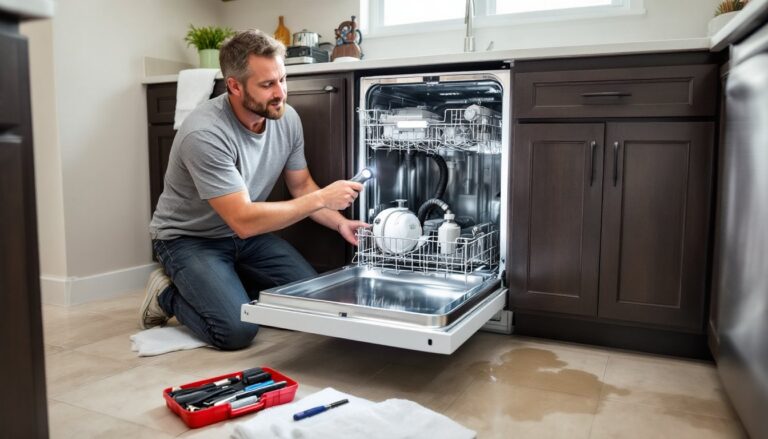
Installing a built-in dishwasher isn’t a simple plug-and-play swap, but it’s manageable for a confident DIYer with basic plumbing and electrical skills. You’ll need three connections: water supply, drain, and power.
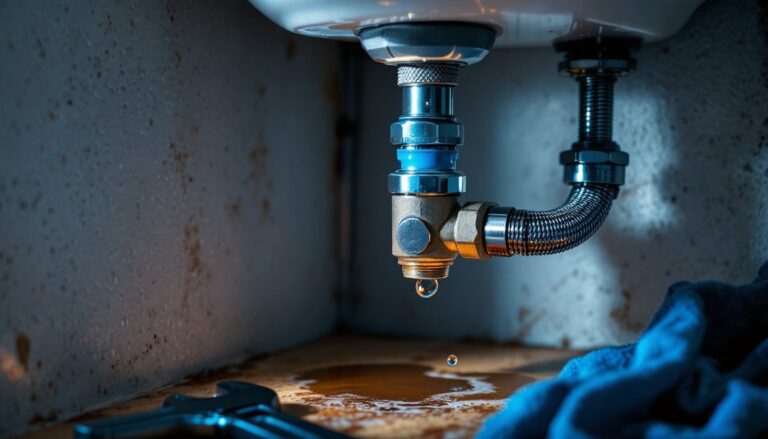
The water supply line typically taps into the hot water line under the sink. Most dishwashers use a 3/8-inch compression fitting and come with a braided stainless steel supply hose. You’ll need a shutoff valve on that line for maintenance and emergencies.
The drain hose connects to the sink drain or garbage disposal. It must loop up near the underside of the countertop (creating a high loop or air gap) to prevent backflow, this is required by most plumbing codes. Some jurisdictions require a separate air gap fitting mounted on the sink or countertop.
Electrical hookup requires a dedicated 15- or 20-amp, 120-volt circuit. Most codes require a GFCI-protected outlet or hardwired connection inside the cabinet. If you’re adding a dishwasher to a kitchen that never had one, you’ll likely need to run new wiring, hire a licensed electrician unless you’re comfortable working in your service panel and pulling permits.
Leveling the unit is critical. An unlevel dishwasher won’t drain properly and can leak. Use the adjustable feet to get it plumb and level in all directions, then secure it to the countertop and adjacent cabinets with the provided brackets.
Most installations take 2 to 4 hours for someone with experience. First-timers should budget a half day and have a bucket, adjustable wrench, screwdrivers, level, and possibly a hole saw for routing hoses and wires.
Standard Dimensions and Cabinet Compatibility
A standard built-in dishwasher is 24 inches wide, 24 inches deep, and 34 to 35 inches tall. The rough opening in your cabinetry should be 24 inches wide, at least 24 inches deep, and 34.5 inches tall to allow clearance for leveling feet and the top mounting bracket.
Compact models measure 18 inches wide and fit in tighter spaces or as secondary units in butler’s pantries. Depth and height remain the same.
Most base cabinets are built to accommodate a standard dishwasher, but older homes or custom cabinetry may have non-standard openings. Measure the width, depth, and height of your opening before shopping. Also check the distance from the floor to the underside of the countertop, some thick stone or butcher-block tops reduce clearance.
If you’re replacing an existing unit, verify that the new model’s door clearance works with your kitchen layout. A dishwasher door swings down and out, requiring about 24 to 27 inches of clear floor space in front. Islands or peninsulas directly opposite can interfere.
Panel-ready models add another dimension: you’ll need a custom door panel cut to the manufacturer’s specifications, usually 23.5 inches wide by 26 to 34 inches tall depending on the model. Cabinet shops or kitchen design professionals can fabricate matching panels if you’re doing a full remodel.
Popular Features and Options in Modern Built-In Dishwashers
Modern built-ins have come a long way from the basic spray-and-rinse machines of the past. Here’s what’s worth considering, and what’s mostly marketing.
Adjustable and fold-down tines let you reconfigure racks for tall items like baking sheets or awkwardly shaped bowls. Look for upper racks that raise or lower, some models offer up to 2 inches of adjustment, which matters when you’re loading dinner plates vs. wine glasses.
Third racks add a shallow utensil or flatware tray at the very top. They’re genuinely useful for silverware, spatulas, and small lids, freeing up space below for more dishes. Not a must-have, but a nice upgrade if you cook frequently.
Soil sensors automatically adjust cycle length and water usage based on how dirty the dishes are. This saves water and energy without sacrificing cleaning performance. Most mid-range and up models include this.
Sanitize cycles boost water temperature to 150°F or higher and hold it long enough to kill 99.9% of bacteria. NSF-certified sanitize cycles meet public health standards, useful for households with young kids, immune-compromised members, or anyone serious about kitchen hygiene.
Quiet operation is standard now, but decibel ratings vary. Anything under 45 dB is considered very quiet: premium models hit 40 dB or lower. If your kitchen opens to a living or dining area, this feature pays off every day.
Stainless steel tubs resist stains and odors better than plastic and improve drying performance because they retain heat. Most models above the budget tier use stainless interiors.
Smart connectivity (Wi-Fi enabled, app control, voice assistant integration) is available but not essential. Useful if you want cycle notifications or remote start, but don’t pay a premium unless you’ll actually use it.
Skip gimmicks like “crystal dry” or “turbo zones” unless reviews back up the claims. Focus on capacity, rack flexibility, and noise, those affect daily use more than flashy feature names.
Is a Built-In Dishwasher Right for Your Home?
A built-in dishwasher makes sense if you own your home, have the cabinet space, and can access or install the necessary plumbing and electrical connections. It’s the default choice for most kitchens because of capacity, performance, and integration.
It’s not the right fit if you’re renting and can’t modify plumbing, or if your kitchen lacks a suitable opening and you’re not ready to renovate. In those cases, a portable or countertop model is a better interim solution.
If you’re remodeling or building new, plan the rough-in early. Coordinate with your plumber and electrician to run supply, drain, and power before cabinetry goes in. This avoids expensive retrofits later.
Budget for the appliance and installation if you’re hiring out. Professional install typically runs $150 to $300 depending on your region and complexity. DIY is feasible if you’re handy, but know when to call a pro, especially for electrical work or if local codes require licensed tradespeople.
Consider long-term value. A quality built-in dishwasher, installed correctly and maintained, adds convenience, improves resale appeal, and handles daily dish duty for a decade or more. It’s an investment in both function and finished kitchen design, not just an appliance purchase.