Table of Contents
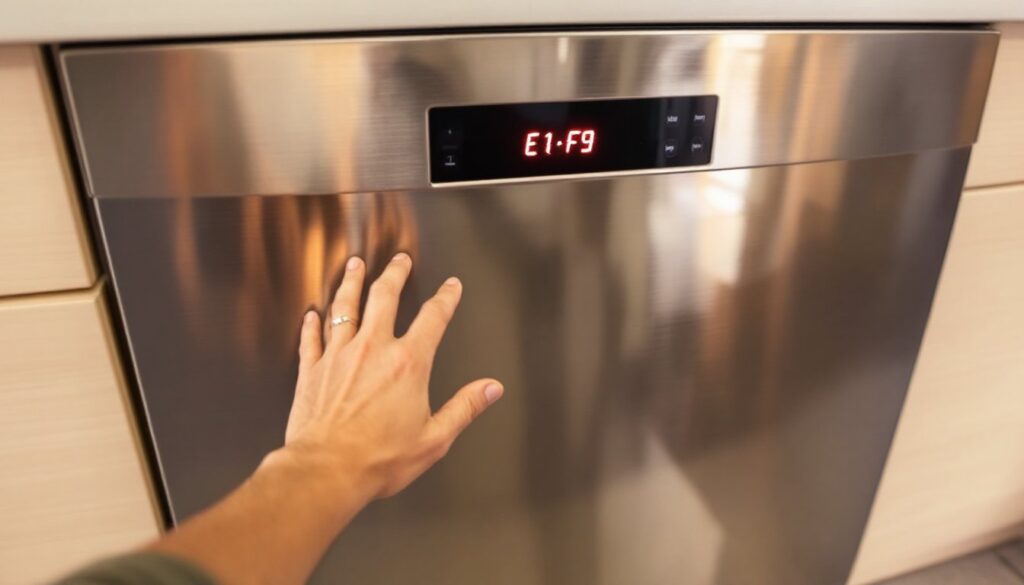
ToggleYou load up the dinner plates, close the door, hit start, and instead of the satisfying hum of clean water, your Whirlpool dishwasher flashes E1 F9 on the display and refuses to run. Frustrating? Absolutely. But before you call a repair tech or start browsing new dishwashers online, understand this: the whirlpool dishwasher error code f9 e1 is usually fixable with basic tools and a little troubleshooting. This guide walks through what the code means, the most common causes, and step-by-step fixes to get your dishwasher back in action.
Key Takeaways
- The whirlpool dishwasher E1 F9 error indicates a drain system fault caused by standing water or a failing drain pump, but is usually fixable with basic troubleshooting.
- Start with a simple power cycle (5 minutes) to reset the control board and clear any false alarm error codes.
- Most E1 F9 issues stem from clogged drain filters, kinked hoses, or debris in the sump—inspect and clean these components first before considering expensive pump replacement.
- Verify your drain system has proper high-loop installation and check for blockages in garbage disposals or air gaps that can back up the dishwasher drain line.
- Call a professional technician if the drain pump is confirmed dead, cleaning doesn’t resolve the error, or you see water pooling around the unit, as these indicate deeper electrical or structural issues.
What Does the E1 F9 Error Code Mean on Your Whirlpool Dishwasher?
The whirlpool dishwasher f9 e1 error indicates a drain system fault. In plain terms, your dishwasher is detecting that water isn’t draining properly or that there’s a problem with the drain pump assembly. Whirlpool dishwashers are programmed to shut down when they sense standing water at the end of a cycle or between cycles, preventing overflow and potential water damage.
The control board monitors drain timing. If water remains in the sump (the basin at the bottom of the tub) after the pump should’ve emptied it, the board triggers E1 F9 and halts operation. This is a protective measure, not a catastrophic failure. Most homeowners can resolve the issue without replacing major components.
Some models display the code as F9 E1 instead of E1 F9: they’re the same fault. The nomenclature varies slightly across Whirlpool model years, but the underlying problem and fixes remain consistent.
Common Causes of the E1 F9 Error Code
Several factors can trigger the E1 F9 error. Knowing the usual suspects helps you troubleshoot faster.
Clogged drain filter or sump: Food debris, broken glass, or labels from jars can block the filter screen at the base of the tub. Even small obstructions reduce flow enough to trip the sensor.
Kinked or blocked drain hose: The corrugated drain hose runs from the dishwasher to your sink’s drain line or garbage disposal. If it’s bent, pinched under the unit, or clogged with grease buildup, water can’t exit.
Faulty drain pump: The pump itself can fail, bearings seize, impellers crack, or electrical windings burn out. A dead pump won’t move water, no matter how clean the filter is.
Air gap or garbage disposal blockage: If your dishwasher drains through an air gap (the small chrome dome on the countertop) or a garbage disposal, clogs in those components back up the drain line.
Control board glitch: Occasionally, a transient electrical hiccup causes the board to misread sensor data. A simple reset can clear false errors.
Most E1 F9 codes stem from drain blockages rather than failed parts. That’s good news for DIYers, cleaning is easier and cheaper than replacing pumps or boards.
Step-by-Step Troubleshooting Guide to Fix E1 F9
Reset Your Dishwasher
Start with the simplest fix. Power cycling clears minor glitches and resets the control board.
- Disconnect power: Either unplug the dishwasher (the outlet is usually under the sink) or flip the dedicated breaker in your electrical panel. Leave it off for five full minutes. This ensures capacitors discharge completely.
- Restore power and test: Turn the breaker back on or plug the unit in. Close the door, select a normal wash cycle, and press start. If the E1 F9 code was a false alarm, the dishwasher should run normally.
If the error persists, move to physical inspection and cleaning.
Check and Clean the Drain System
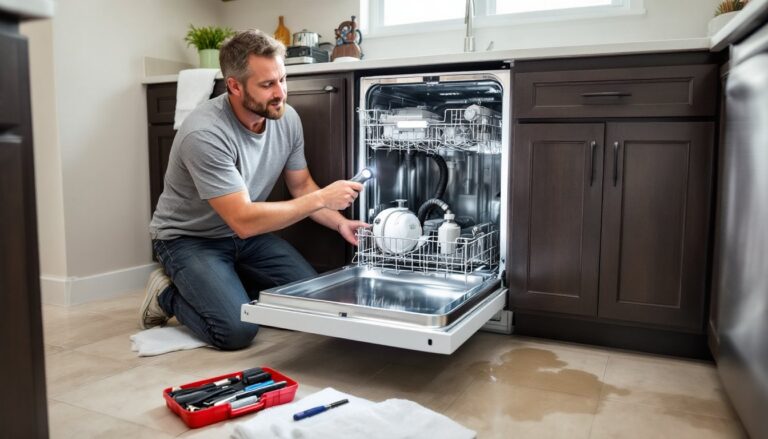
This is where most E1 F9 issues hide. You’ll need a flashlight, a shallow pan or towels, needle-nose pliers, and a small brush.
Empty the dishwasher and remove the lower rack. You need clear access to the tub floor.
Locate and remove the drain filter assembly. Most Whirlpool models have a cylindrical filter in the center or corner of the tub floor. Twist counterclockwise and lift out. Some units have a flat screen over the sump, lift the retaining tab and pull.
Inspect and clean the filter. Rinse under hot water, scrubbing with a brush to remove stuck-on residue. Check for cracks or tears: a damaged filter won’t seal properly. Replace if needed (part numbers vary by model, but filters typically cost $15–$25).
Check the sump and drain pump inlet. With the filter out, shine a flashlight into the sump opening. Look for foreign objects, twist ties, toothpicks, shards of glass, or fruit pits. Use needle-nose pliers to extract debris. Safety note: Wear cut-resistant gloves if you see broken glass.
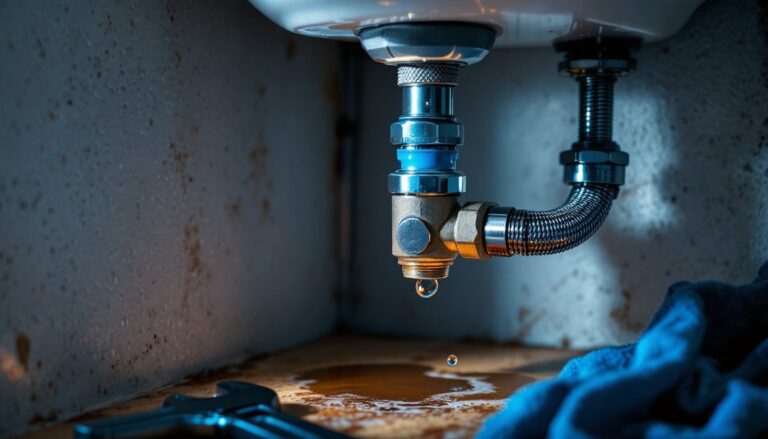
Inspect the drain hose. Pull the dishwasher forward (you may need to remove the lower access panel’s screws first). The drain hose is usually a ribbed black or gray tube, 5/8-inch to 3/4-inch diameter, connected to the drain pump outlet. Check for:
- Kinks or sharp bends that restrict flow
- Clogs by disconnecting the hose at both ends (have towels ready for residual water) and flushing with a garden hose or running water through it in a utility sink
- Proper high loop or air gap installation to prevent backflow. The hose should rise to the underside of the countertop before descending to the drain connection.
Verify garbage disposal and air gap are clear. If your dishwasher drains into a disposal, run the disposal with hot water for 30 seconds to clear any buildup. If you have an air gap, unscrew the chrome cap and rinse the internal chamber.
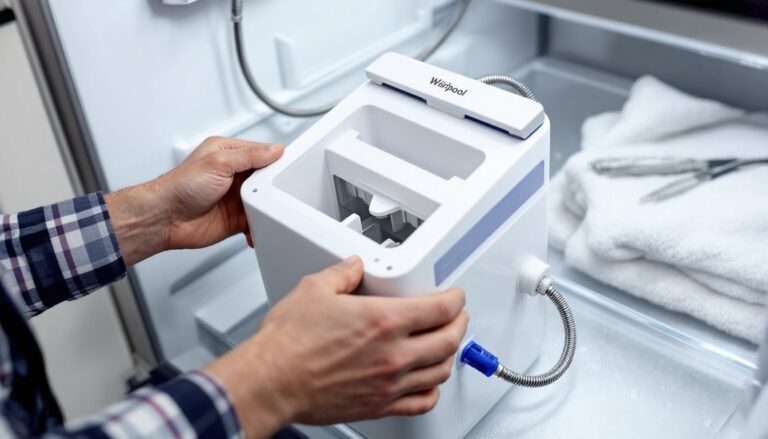
Test the drain pump manually. With the dishwasher pulled out and powered on (use caution around live electrical components), start a cycle and listen. A working pump hums and vibrates. No sound or a buzzing without vibration suggests a seized impeller or dead motor. Pumps cost $60–$120 and require basic electrical skills to replace (disconnect power, remove hoses, unscrew mounting bracket, swap the unit). If you’re not comfortable working with 120V wiring, this is a good point to call a pro.
Reassemble and test. Reinstall the filter, push the dishwasher back, reconnect power, and run a short rinse cycle. Monitor the display. If the E1 F9 clears and the cycle completes, you’ve solved it.
For additional DIY appliance repair guidance, many community-driven platforms offer model-specific walkthroughs with photos. Understanding common dishwasher error codes can also help diagnose related issues beyond E1 F9.
When to Call a Professional for E1 F9 Repairs
Most E1 F9 errors yield to DIY troubleshooting, but some situations warrant a service call.
The drain pump is confirmed dead and you’re not comfortable with electrical work. Replacing a pump involves disconnecting wire harnesses and working near live circuits. If you don’t own a multimeter or haven’t replaced appliance motors before, hire a tech. Expect labor charges of $150–$250 plus parts.
You’ve cleaned everything and the error persists. A stubborn E1 F9 after thorough cleaning can indicate a faulty pressure sensor, a wiring fault, or a control board issue. Diagnosing these requires specialized tools and part-specific knowledge.
Water is pooling under the unit or around the door seal. This suggests a cracked sump, failed door gasket, or damaged tub. These are structural problems that often justify replacing the dishwasher rather than repairing, especially on units over eight years old.
Your dishwasher is under warranty. If the unit is less than a year old or you have an extended warranty, use it. Unauthorized repairs can void coverage.
You don’t have time or tools. No shame in calling a pro if your schedule doesn’t allow a weekend troubleshooting session. A qualified appliance technician will diagnose and fix E1 F9 in one visit, typically within 60–90 minutes.
When scheduling service, provide the full model number (stamped on the door frame or side panel) and describe the exact error code. This lets the tech bring the right parts on the first trip. For product reviews and reliability data on dishwashers, checking trusted sources can help you decide whether repair or replacement makes financial sense.
Conclusion
The E1 F9 error on a Whirlpool dishwasher is almost always a drain issue, not a death sentence for the appliance. Start with a reset, then systematically clean the filter, sump, and drain hose. Most homeowners resolve the code in under an hour with basic tools and a little persistence. If the pump is shot or the problem runs deeper, calling a pro is the smart move, but you’ll troubleshoot with confidence knowing you covered the common fixes first.